

Is My Period Pain Normal? How to Know If It’s Endometriosis
Period pain is common, but severe or unusual symptoms may indicate an underlying condition like endometriosis. Dr. Ronen, an expert OB/GYN in Houston, TX, helps patients distinguish between normal menstrual discomfort and the signs of endometriosis. If your pain is debilitating, lasts longer than typical periods, or is accompanied by other symptoms like heavy bleeding or pain during intercourse, it’s important to seek professional evaluation. For more information, contact us or schedule an appointment online. Our clinic is conveniently located at 950 Threadneedle, Suite 282, Houston, TX 77079.

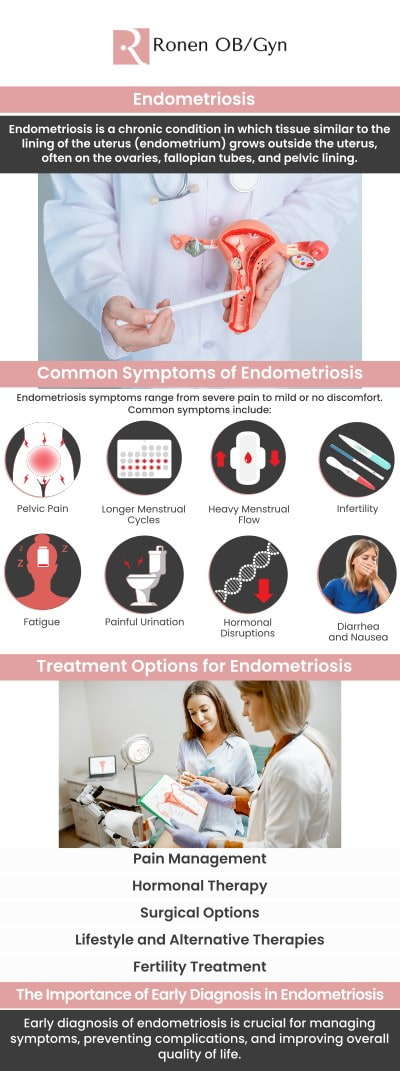
Table of Contents:
What is considered normal menstrual pain?
How can I tell the difference between typical menstrual cramps and something more serious?
What is endometriosis, and how does it affect the body?
Are heavy periods or irregular cycles a sign of endometriosis?
At Ronen OB/GYN, we understand that many women experience some degree of discomfort during their menstrual periods. Normal menstrual pain, also known as primary dysmenorrhea, refers to the mild to moderate cramping and pelvic discomfort that often occurs just before or during menstruation. This type of pain usually begins one or two days before your period starts or with the onset of bleeding, and often improves after the first two or three days.
Typical symptoms of normal menstrual pain include a dull, throbbing, or aching sensation in the lower abdomen, which may radiate to the lower back or thighs. Some women may also notice mild bloating, headaches, fatigue, or mild nausea. These symptoms are generally manageable with over-the-counter pain relievers, light exercise, or applying heat to the affected area, and they rarely interfere with daily activities.
While menstrual discomfort is common, severe pain or pain that lasts several days, significantly impacts your daily life, or is accompanied by other symptoms such as heavy bleeding, fever, or pain between periods may suggest an underlying condition. If you experience any of these symptoms, the team at Ronen OB/GYN encourages you to schedule an appointment. Our board-certified OB/GYN specialists can help determine the cause and recommend effective treatment options.
Abdominal cramps are a common experience for many women and can often be a normal part of menstruation, ovulation, mild digestive upset, or even physical activity. In most cases, these cramps are mild to moderate, come and go, and typically improve with rest, hydration, or over-the-counter pain relievers.
However, as specialists in women’s health, the team at Ronen OB/GYN wants you to know when abdominal pain may require extra attention. Severe, sudden, or persistent cramps—especially those that interfere with your daily life—should not be ignored. If you experience additional symptoms such as high fever, persistent vomiting, unexplained weight loss, blood in your stool or urine, pain with urination, or if your pain wakes you from sleep, it’s important to seek prompt medical care.
Certain situations require even greater caution. If you are pregnant and have abdominal cramps, or if you have underlying health conditions like diabetes, inflammatory bowel disease, or a weakened immune system, please reach out to us right away. Abdominal pain during pregnancy can sometimes signal urgent issues, such as ectopic pregnancy, miscarriage, or preterm labor, and should always be evaluated by an OB/GYN.
At Ronen OB/GYN, we understand how deeply endometriosis can impact your health and everyday life. Endometriosis is a chronic condition where tissue similar to the lining of the uterus (endometrium) grows outside the uterus. This displaced tissue is often found on organs within the pelvis—such as the ovaries, fallopian tubes, and the outer surface of the uterus—and on rare occasions, it may extend beyond the pelvic area.
Each month, this tissue responds to hormonal changes just like the uterine lining: it thickens, breaks down, and bleeds. However, unlike a normal period, this blood has no way to exit the body, which can lead to inflammation, pain, and the development of scar tissue or adhesions. The symptoms of endometriosis can vary from person to person, but many of our patients at Ronen OB/GYN report pelvic pain—often most severe during menstruation. Other common symptoms include painful periods, pain during intercourse, excessive menstrual bleeding, pain with bowel movements or urination, and sometimes difficulties with fertility.
Endometriosis can also cause complications such as ovarian cysts (endometriomas) and may affect the normal function of pelvic organs due to chronic inflammation and scarring. While the exact cause of endometriosis is still unknown, possible contributing factors include genetics, immune system disorders, and menstrual flow abnormalities.
At Ronen OB/GYN, we understand that heavy periods and irregular menstrual cycles can be concerning and may have a variety of causes. While these symptoms are sometimes associated with endometriosis, they are not the most specific signs of this condition. Endometriosis is a chronic disorder in which tissue similar to the lining of the uterus grows outside the uterus, leading to inflammation, pain, and sometimes fertility challenges.
The most common symptoms of endometriosis include pelvic pain—especially during menstruation—pain during intercourse, discomfort during bowel movements or urination (particularly around your period), and sometimes chronic lower back or abdominal pain. Although some patients with endometriosis may have heavy periods (menorrhagia) or irregular cycles, these symptoms are often due to other conditions such as hormonal imbalances, uterine fibroids, or thyroid disorders.
However, endometriosis can contribute to abnormal bleeding patterns because of the irritation and inflammation it causes in the pelvic area. If you are experiencing heavy periods or irregular cycles—especially if combined with pelvic pain or other symptoms of endometriosis—it is important to consult with a trusted women’s health provider.
Talk to Dr. Pinky Ronen if you have abnormal periods or worse pain
If you are experiencing abnormal periods or notice that your menstrual pain is becoming more severe, it is important to schedule an appointment at Ronen OB/GYN with Dr. Ronen. Changes in your menstrual cycle—such as unusually heavy bleeding, irregular timing, spotting between periods, or periods that stop unexpectedly—can sometimes be signs of underlying health conditions that should not be ignored. Likewise, if your menstrual cramps are worsening or interfering with your daily activities, this could be a sign of conditions such as endometriosis, fibroids, or hormonal imbalances.
At Ronen OB/GYN, Dr. Pinky Ronen and our experienced team provide thorough evaluations to identify the cause of your symptoms and offer personalised treatment options. Our goal is to help you manage your symptoms, maintain your reproductive health, and improve your quality of life. Early consultation with our specialists can make a significant difference in diagnosing and effectively treating any potential issues. Don’t hesitate to contact Ronen OB/GYN if you have concerns about your menstrual health.
For more information, contact us or schedule an appointment online. Our clinic is conveniently located at 950 Threadneedle, Suite 282, Houston, TX 77079. We serve patients from Jersey Village TX, Hunters Creek Village TX, Katy TX, Cinco Ranch TX, Westside Houston TX, and surrounding areas.
Check Out Our 5 Star Reviews


Additional Services You May Need




 Send Text
 How May I Help You?